Are you looking to know Finding Casual Encounters at Community Gatherings and Events then read this article to find out Finding Casual Encounters at Community Gatherings and Events
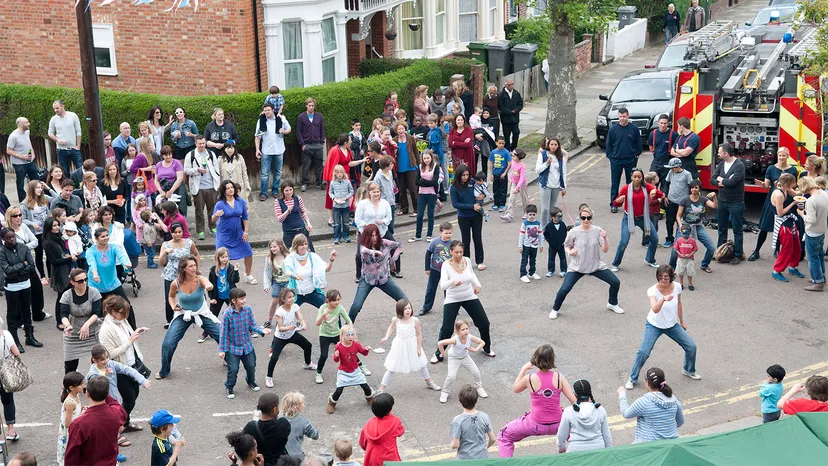
Community events bring together residents from your area through hentaiz-a1.com/hiep-dam networks, creating opportunities to meet people you might actually encounter again, rather than tourists or one-time visitors passing through town. Street fairs, food festivals, outdoor movie screenings, and community celebrations draw mixed crowds where families, couples, and singles all participate in hometown pride and seasonal traditions together. The challenge lies in identifying who among the crowd is actually single and open to meeting someone, versus families and established couples who are there purely for entertainment with their children or partners.
Food and drink festivals centred around tasting and sampling create natural contexts where striking up conversations feels appropriate, as everyone samples vendors and compares favourites throughout the event. “Have you tried the food from that truck?” or “Which brewery did you like best?” work as easy openers that acknowledge the shared activity of tasting everything available. These events often include alcohol, which lowers inhibitions and creates a more social atmosphere than dry community events focused purely on family-friendly activities.
Volunteer opportunities at community events position you as a helpful, engaged resident rather than just another attendee hoping to meet someone selfishly. Working registration tables, helping set up, or staffing information booths gives you extended time at events and opportunities to interact with numerous attendees who approach your station needing assistance. Fellow volunteers also provide a dating pool of people who share your community values and willingness to contribute time.
Build recognition
Regular attendance at recurring events—weekly farmers markets, monthly art walks, seasonal festivals—means you’ll see familiar faces developing into acquaintances and potentially more over time. Becoming known as a regular rather than a random one-time attendee makes people more comfortable engaging with you since they’ve seen you around before and know you’re a legitimate community member.
Neighbourhood bars and restaurants hosting community events like trivia nights, live music, or sports viewing parties create spaces where locals gather consistently throughout the year. These venues develop regular crowds where the same people appear week after week, building familiarity that facilitates friendships and romantic connections among people who live nearby.
Sports leagues and recreational activities organised through community centres bring together residents through shared physical activity and competition. Softball leagues, kickball teams, and volleyball groups explicitly mix competition with social drinking afterwards, creating perfect environments for meeting active people who live nearby and share your interests.
Political campaigns and advocacy groups attract people with shared values who want to improve their communities through concrete action. Working together on meaningful causes creates substantial interactions beyond superficial small talk, letting you assess someone’s character and priorities before considering romantic potential beyond just physical attraction.
Community gardens, park cleanup projects, and environmental initiatives connect you with residents who care about improving local spaces and building neighbourhood connections through volunteer work. These activities tend to attract slightly older, more established residents compared to bar scenes dominated by transient young people who might move away next month. School events often welcome community members for fundraisers, performances, and festivals, even if you don’t have children attending. These gatherings concentrate parents and local families, but also include teachers, administrators, and community supporters who might be single and looking to meet people in their neighbourhood through shared community involvement.